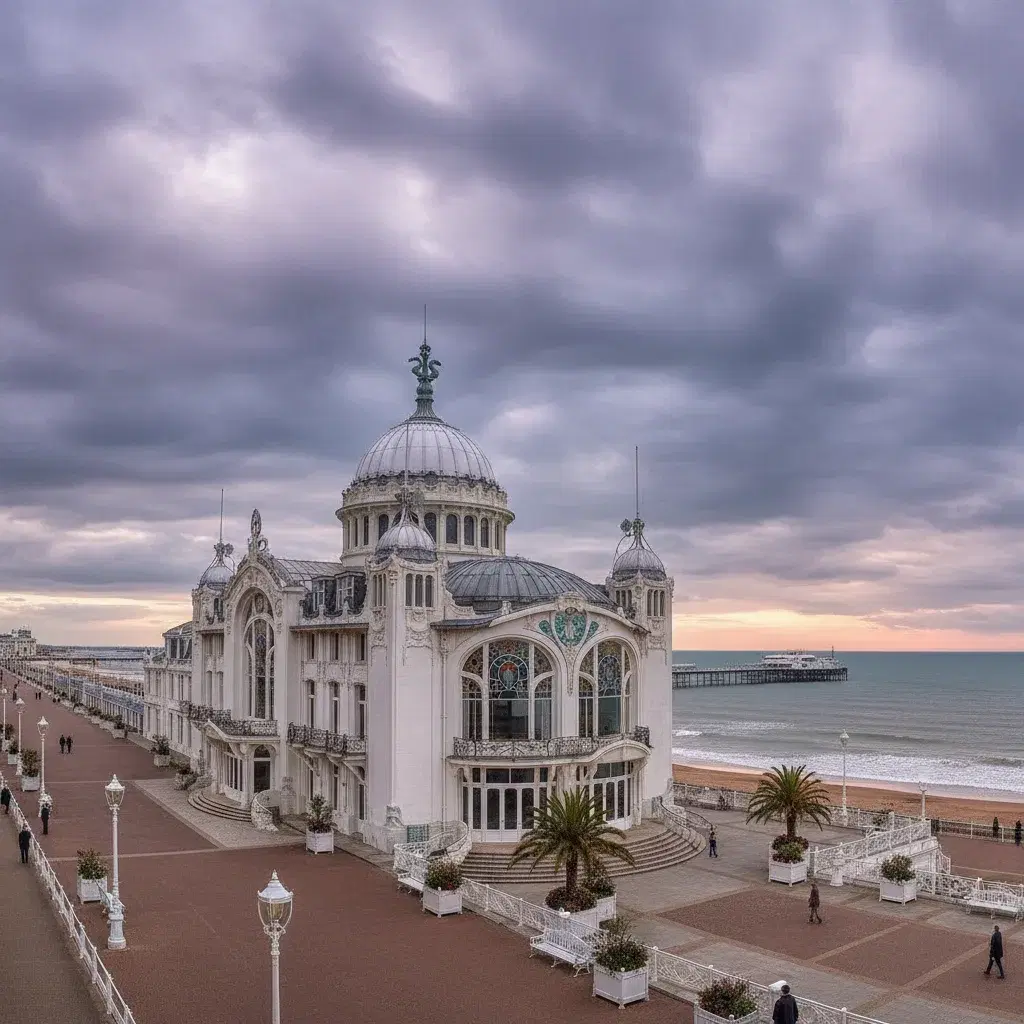
The History of Whitley Bay
From a fishing village of 300 people to Tyneside's playground, through golden-age ballrooms and a seaside decline, to one of the most remarkable regeneration stories on the English coast.
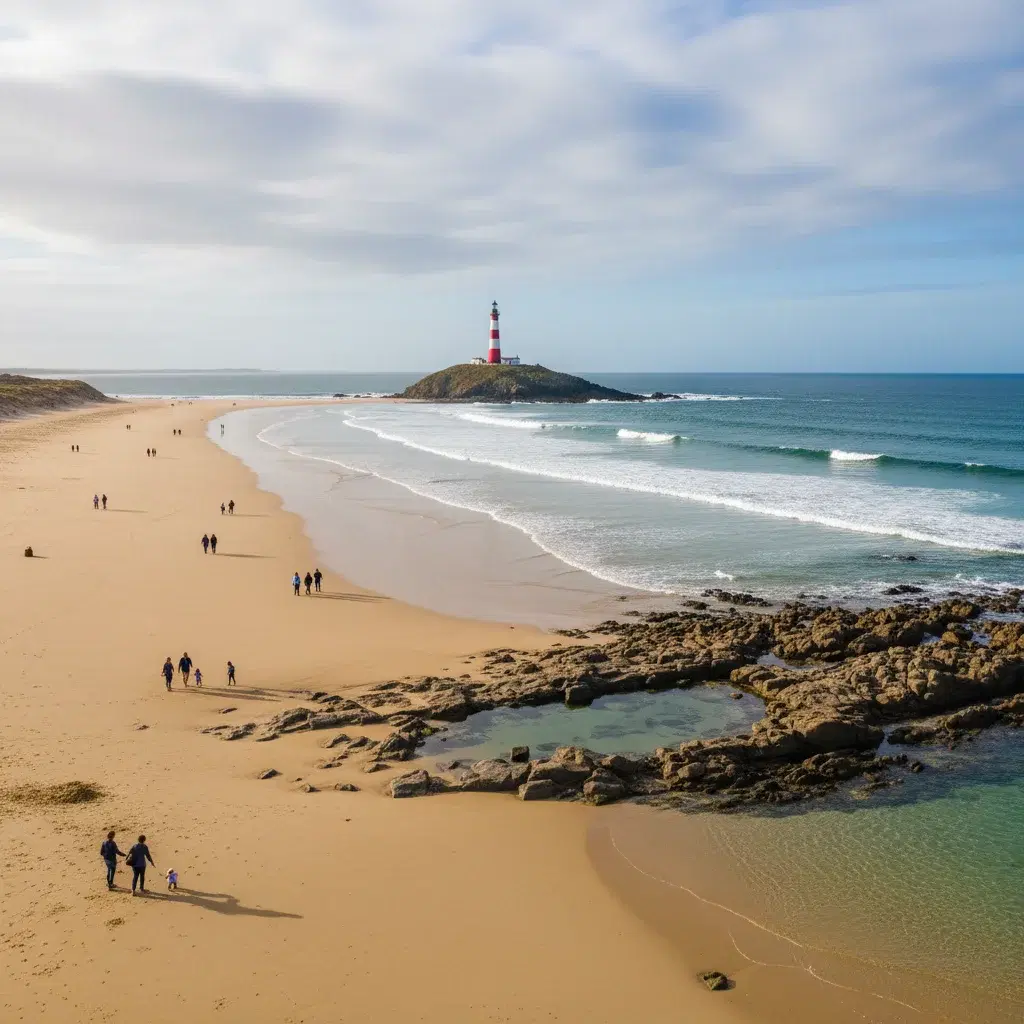
From Fishing Village to Seaside Revival
The key moments that shaped Whitley Bay from a quiet coastal hamlet into one of the North East's most iconic towns.
Fishing Village
In 1861, the settlement known simply as Whitley was a coastal village of around 300 people -- a modest collection of farms and fishermen's cottages on the Northumberland coast between Cullercoats and Monkseaton.
Read the full story →Victorian Resort Development
The North Eastern Railway opened a station at Whitley, connecting the coast to Newcastle. The impact was immediate: developers laid out new roads, built grand hotels and boarding houses, and the village transformed into a booming seaside resort within a generation.
Read the full story →Spanish City Opens
The Spanish City and Whitley Bay Pleasure Gardens opened on 14 May 1910. The ferro-concrete dome in free Baroque style rose 75 feet -- the second largest in the country after St Paul's Cathedral. Beneath it sat a concert hall, restaurant, roof garden, and tearoom.
Read the full story →Edwardian Golden Era
Whitley Bay reached its peak as a resort. The Empress Ballroom hosted dances and concerts, the promenade was packed in summer, and the town's population grew from 300 to over 14,000. Hotels, cinemas, and entertainment venues lined the seafront.
Read the full story →Panama Gardens and Sea Bathing
The Panama area became a popular gathering place for swimmers and sunbathers. Table Rocks tidal pool, blasted into the rock in the 1890s, and the outdoor lidos served generations of families before modern leisure centres arrived.
Read the full story →Post-War Decline
Cheap package holidays to Spain and Greece drew visitors away from British seaside towns. Hotels closed or became bedsits, the seafront deteriorated, and Whitley Bay's reputation suffered. The resort that had thrived for decades entered a long, painful decline.
Read the full story →Spanish City Closes
The Spanish City funfair closed, and the iconic dome stood derelict and fenced off. The closure became a symbol of Whitley Bay's decline, and the future of the building was uncertain for years.
Read the full story →Regeneration Begins
North Tyneside Council launched a masterplan for the seafront. The promenade was rebuilt, new public spaces were created, and independent businesses began opening on Park View. The tide was turning.
Spanish City Reopens
After a major restoration, the Spanish City dome reopened to the public. The building now houses restaurants and event spaces, and its return became the centrepiece of Whitley Bay's remarkable comeback as one of the most convincing seaside regeneration stories in England.
Read the full story →A Town Reborn
Whitley Bay is thriving again. Park View is filled with independent bars, cafes, and restaurants. The seafront draws visitors year-round. And the white dome of the Spanish City, visible from miles along the coast, is once again the symbol of a town that refused to give up.
Heritage Articles
In-depth stories about the people, buildings, and events that shaped Whitley Bay.
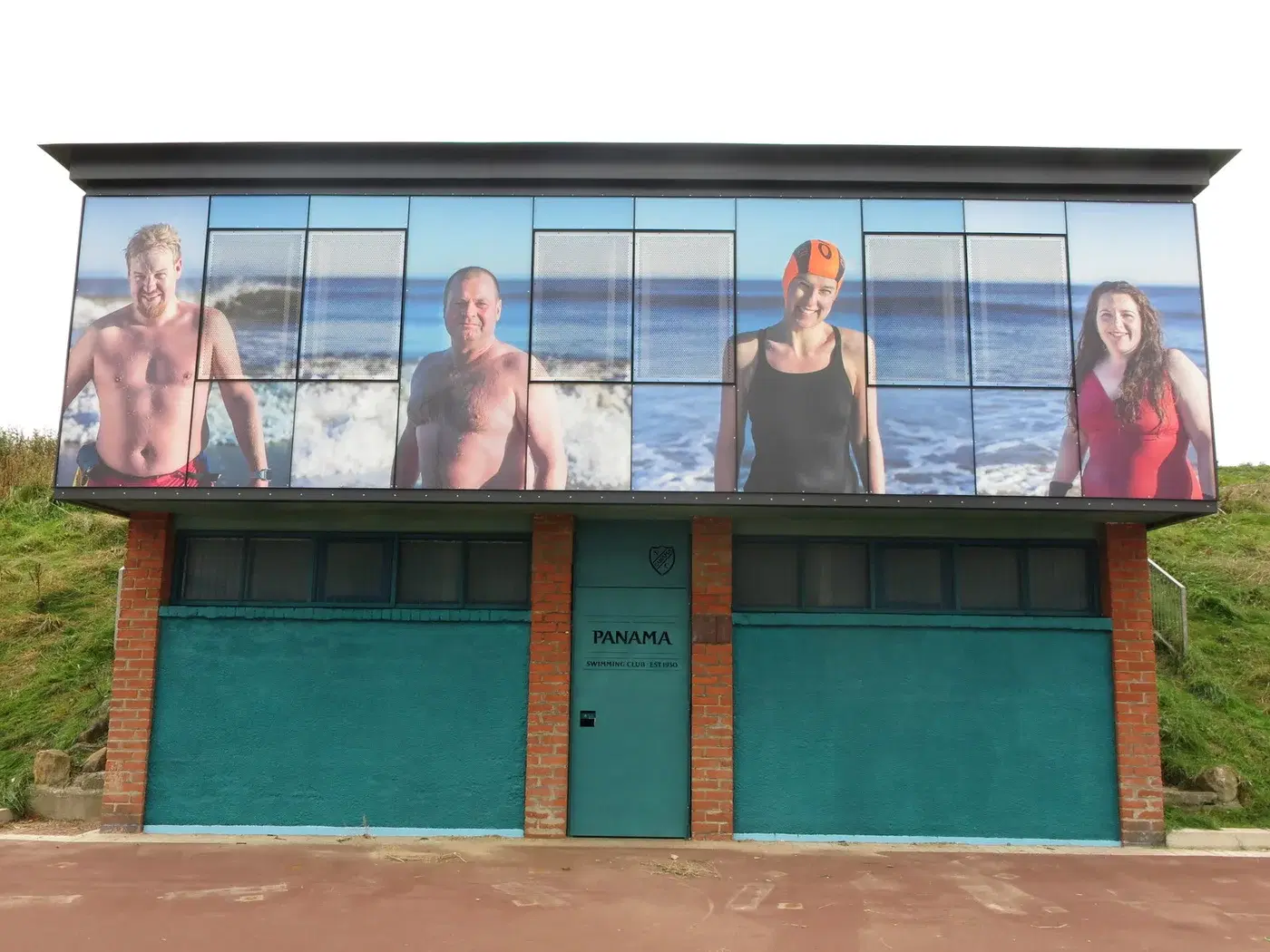
Panama Swimming Club Seeks Facelift for Its 1930s Promenade Clubhouse
The coast's last surviving sea-swimming club has applied to replace rotten windows and shutters at its Northern Promenade clubhouse, with clearer sightlines set to aid beach safety.
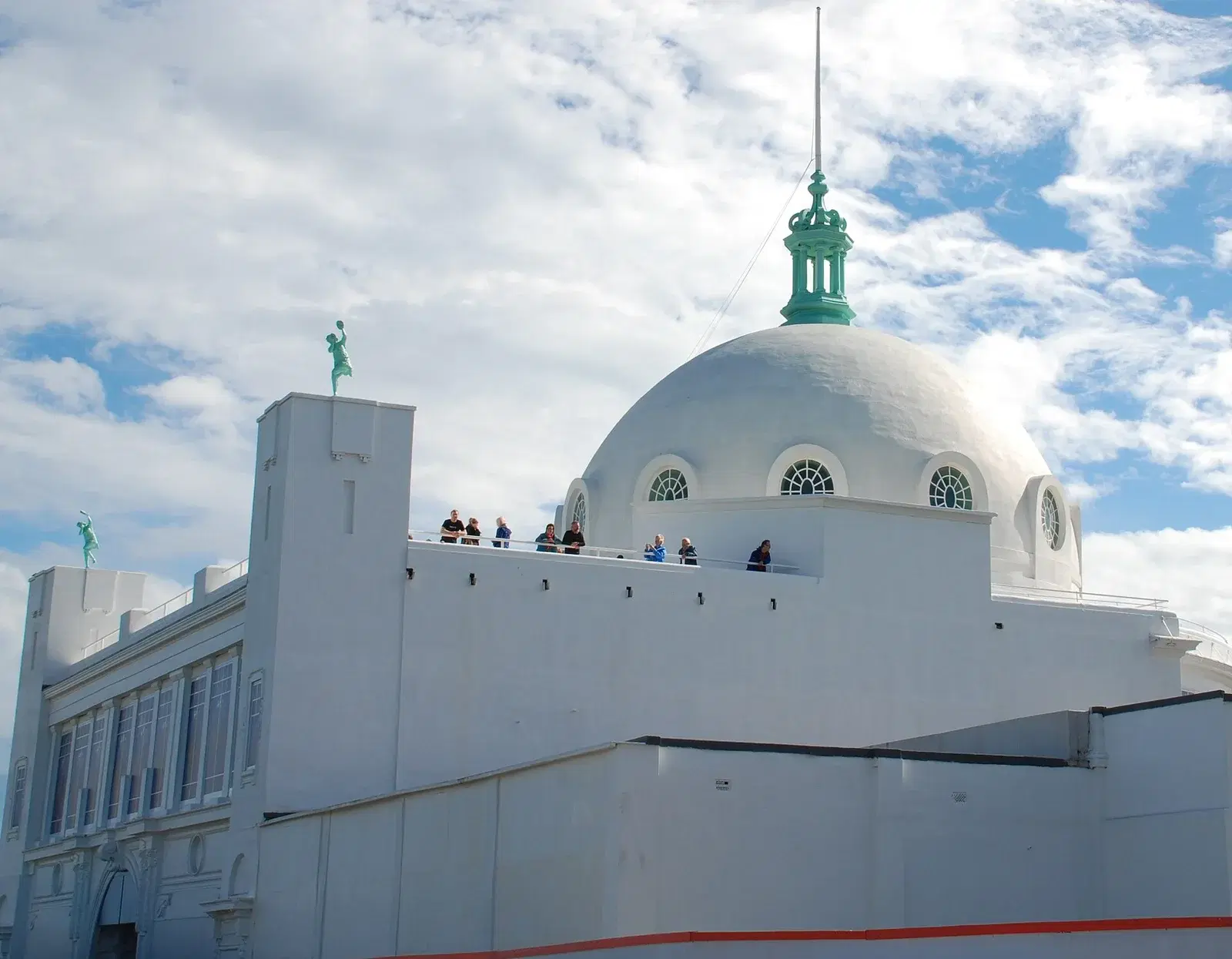
The Lost Buildings of Whitley Bay
From the twin-towered Empress Ballroom to the roar of the Spanish City fairground and a string of vanished cinemas, here are the Whitley Bay landmarks that time and the demolition men took away.
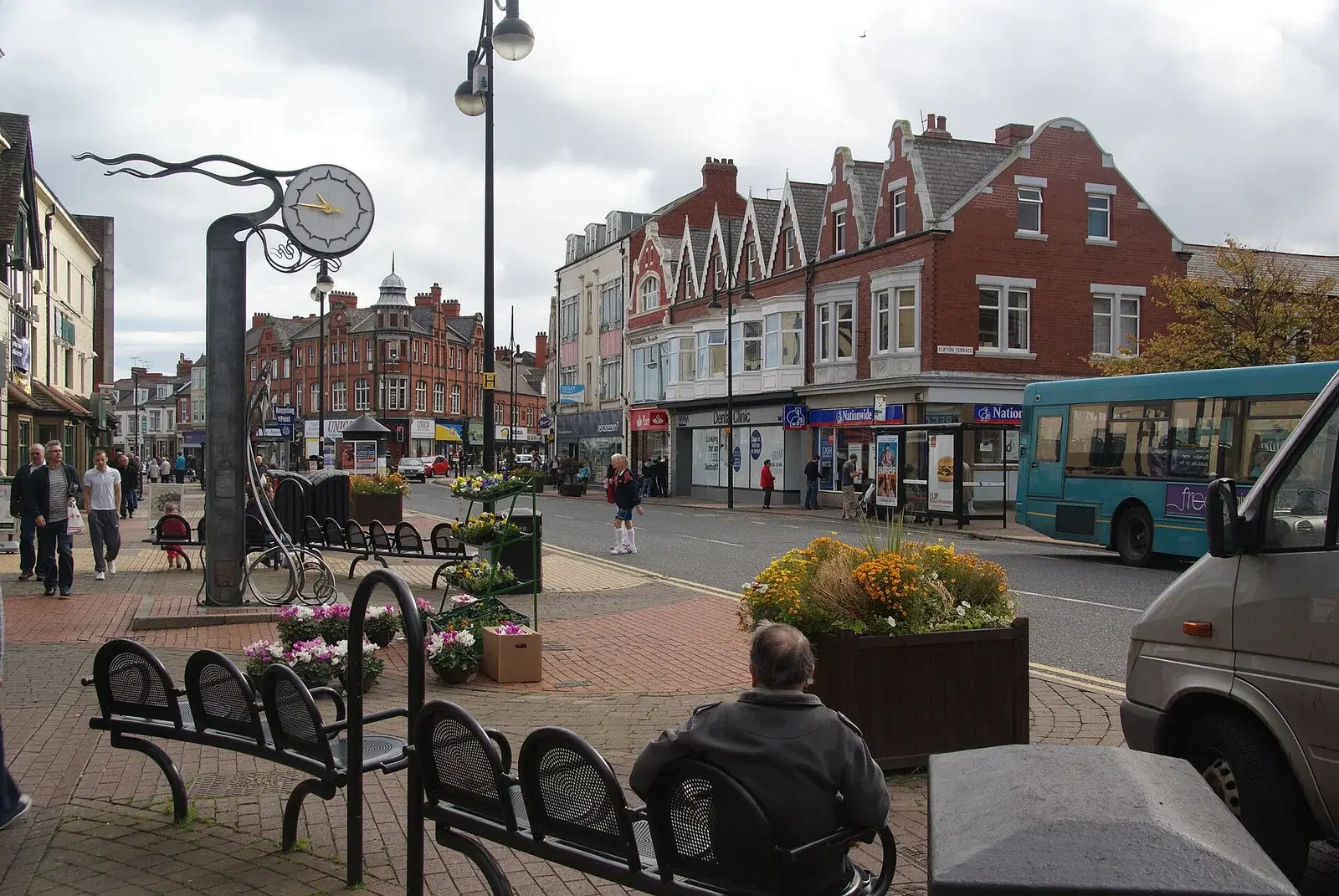
The History of Whitley Bay's Shopping Streets
How Whitley Bay grew from a coastal village into a busy seaside shopping town. The story of Whitley Road, Park View and the Esplanade, and the independent shops that keep them going today.
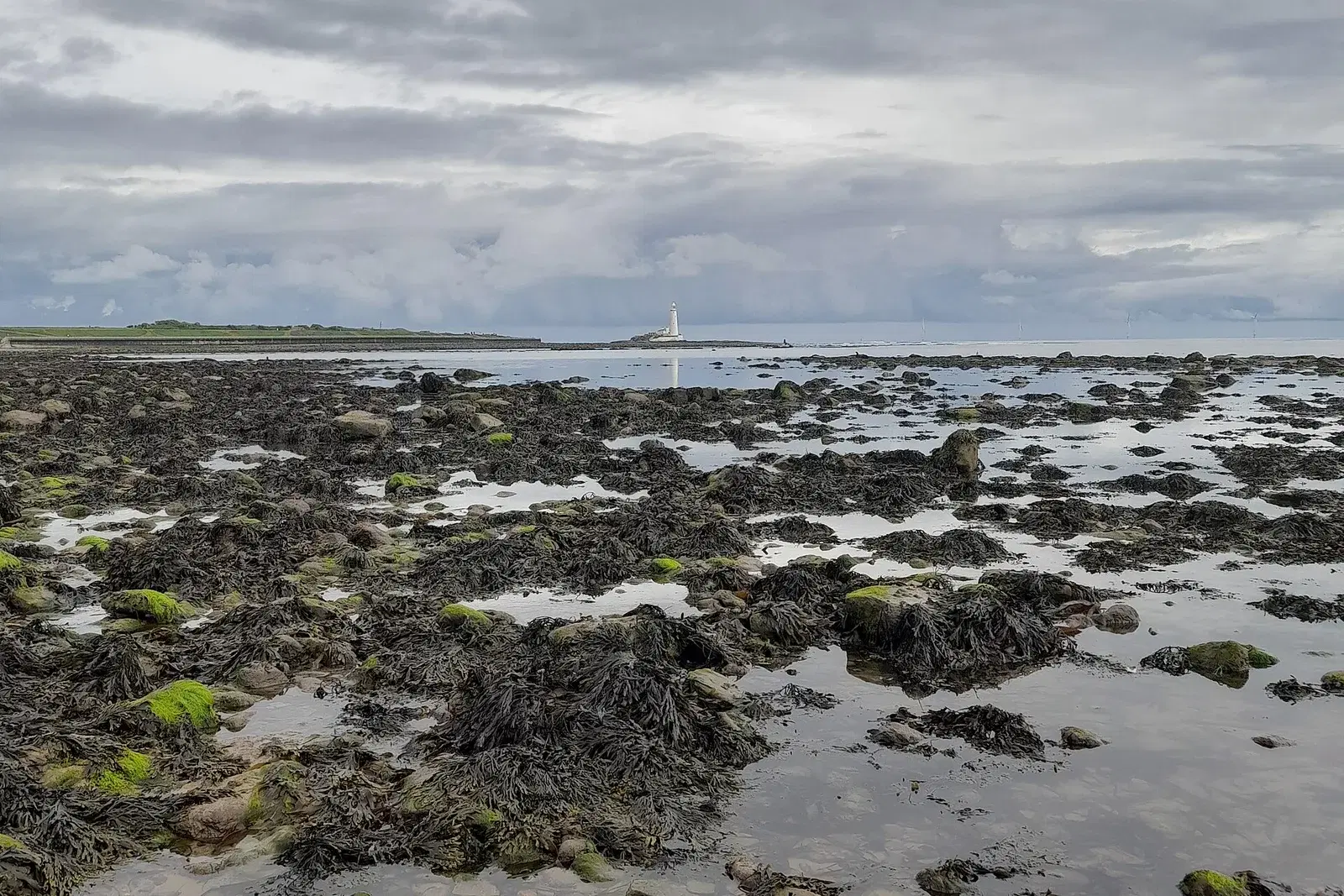
Interesting Facts About Whitley Bay
From a pleasure dome that was once the second largest in the country to an electrified island lighthouse and a Dire Straits song, here are the stories that make Whitley Bay so distinctive.
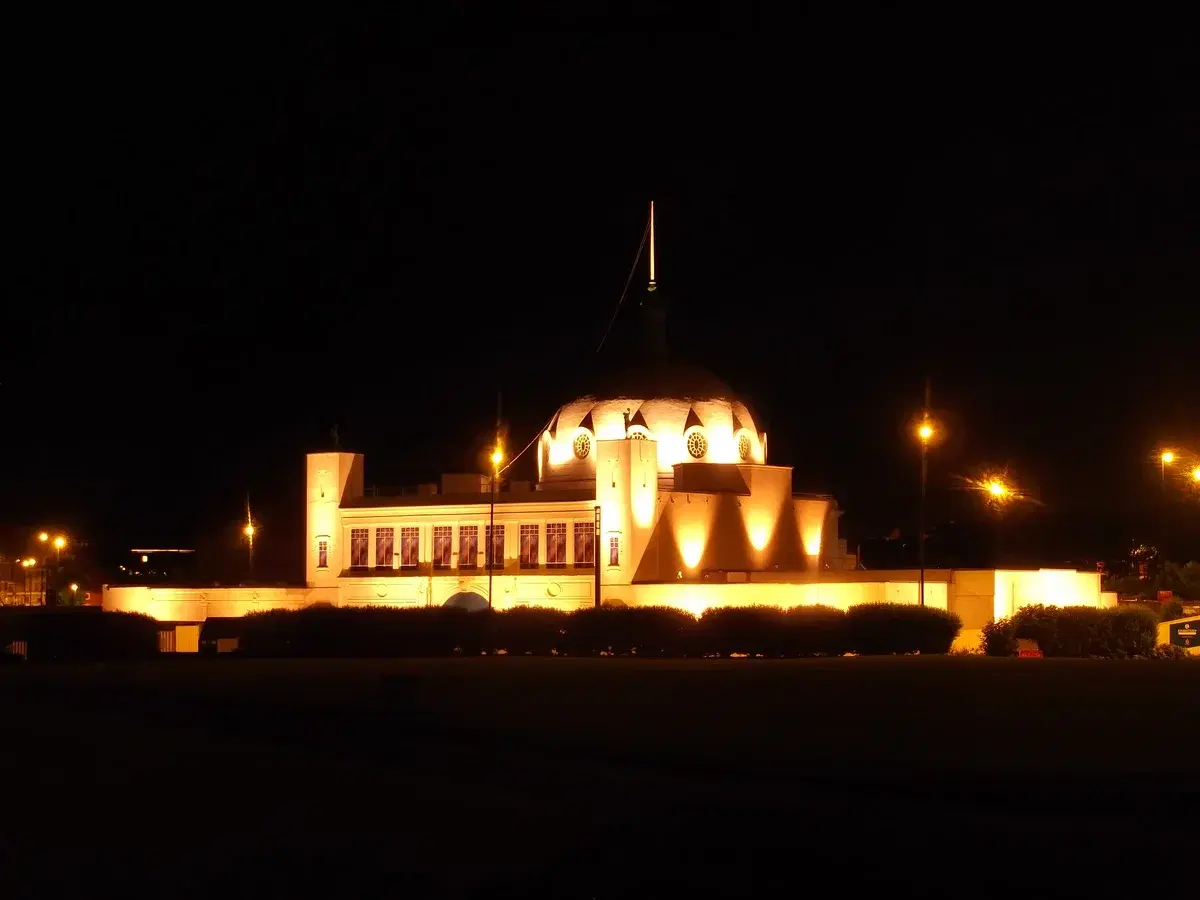
Whitley Bay on Screen: Film and TV Locations
From the floodlit Spanish City dome in Vera to St Mary's Lighthouse and the wider coastline, a guide to the film and TV filmed around Whitley Bay.
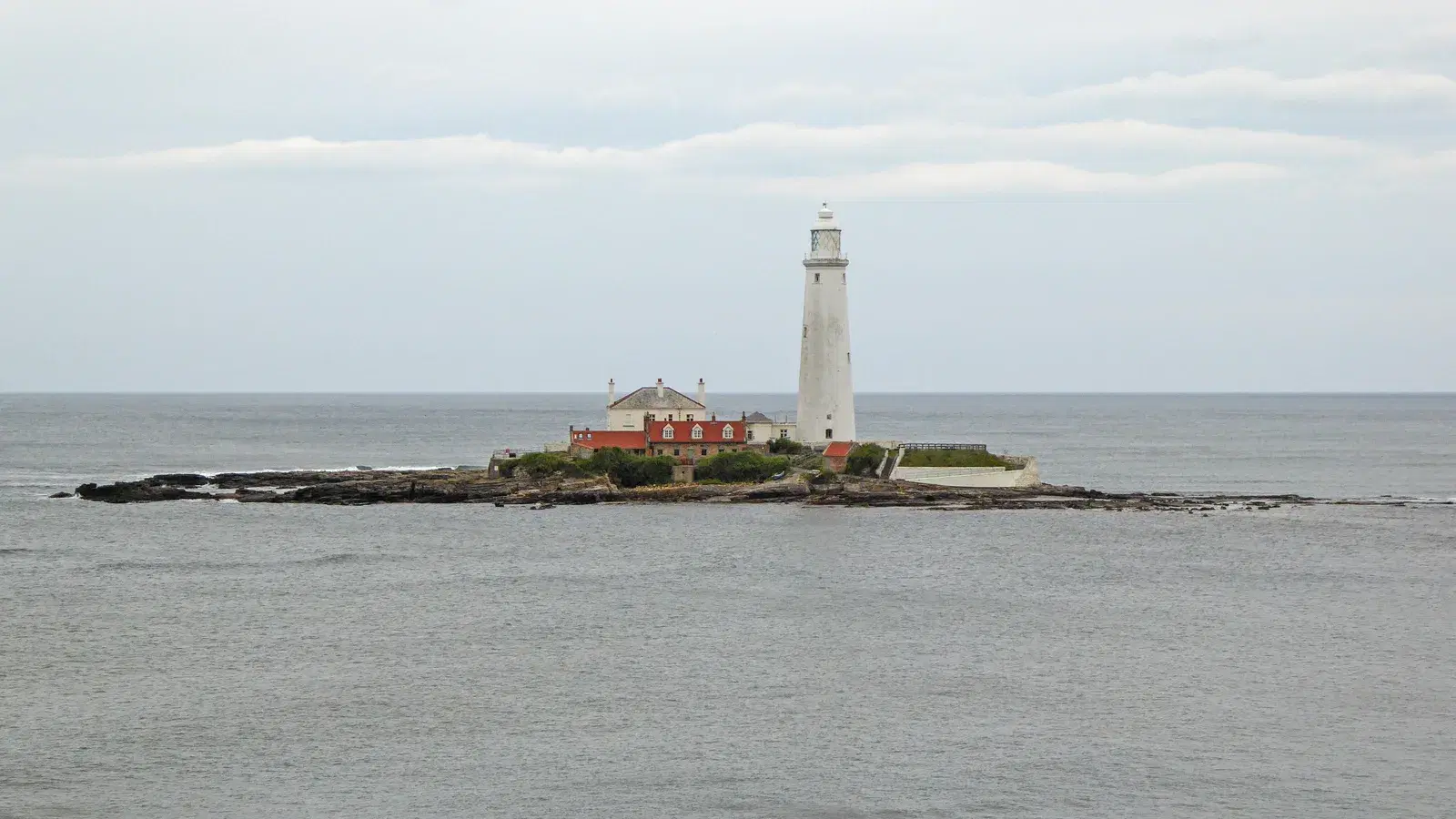
St Mary's Lighthouse Voted England's Number One Lighthouse
Whitley Bay's St Mary's Lighthouse has been ranked the best lighthouse in England by TripAdvisor travellers, with a near-perfect 4.5 score and rave reviews for its wildlife and views.
Historic Trades and Crafts of Whitley Bay and Cullercoats
Coal mining, salt panning, the Cullercoats fishwives, and the Victorian entertainment industry -- the trades that shaped Whitley Bay before the seaside resort arrived.
Whitley Bay at War: The Coast Defences
Coastal guns, anti-invasion beach obstacles, searchlight batteries, the wartime role of St Mary's Lighthouse, evacuees, and rationing on the coast -- Whitley Bay in the Second World War.
Victorian Whitley Bay: Architecture of a Seaside Resort
How the railway created a resort from nothing -- the Spanish City dome, the Rex Hotel, Edwardian promenades, cinemas, and the seafront terraces that gave Whitley Bay its character.
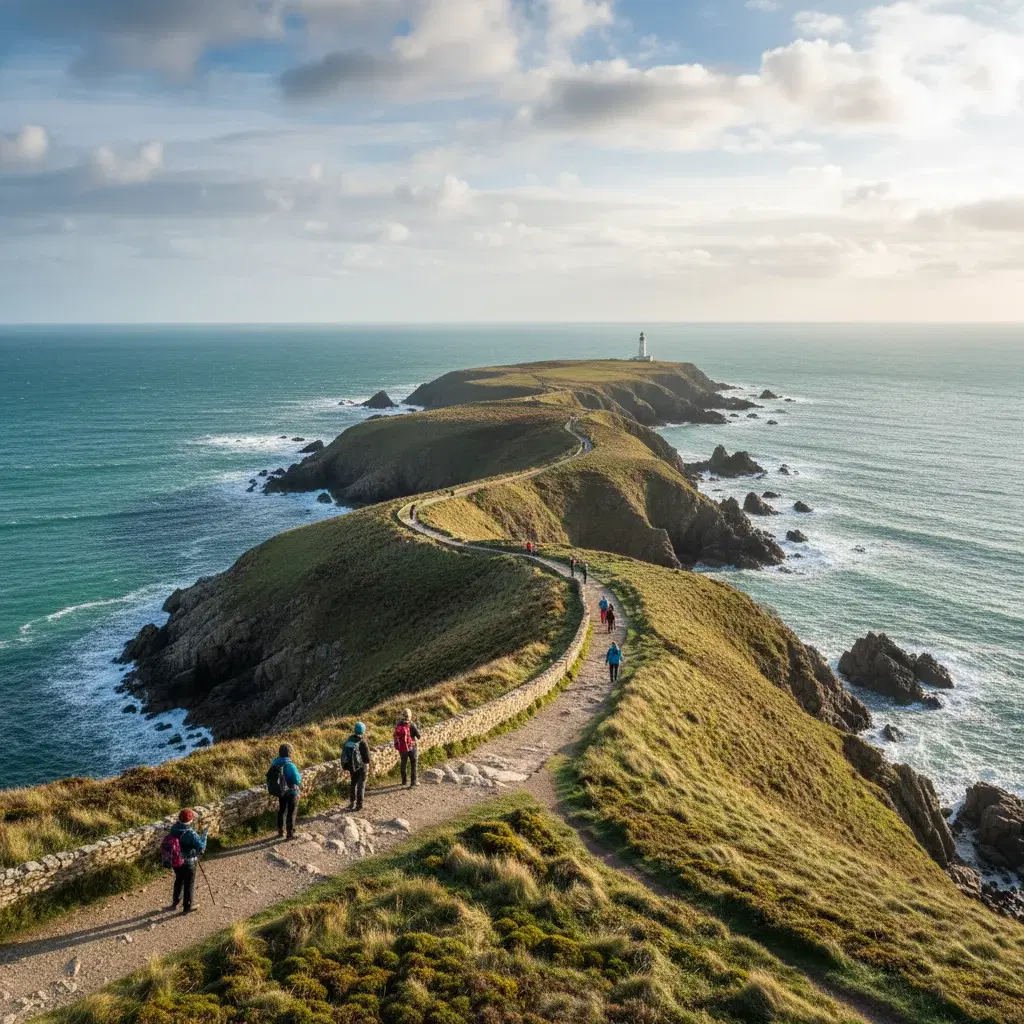
Heritage Walking Trail: Whitley Bay
A 3-mile walking trail through the story of Whitley Bay -- from the Spanish City dome and Edwardian seafront to the Panama Dip, Watts Slope, St Mary's Lighthouse, and the places where a fishing village became Tyneside's playground.
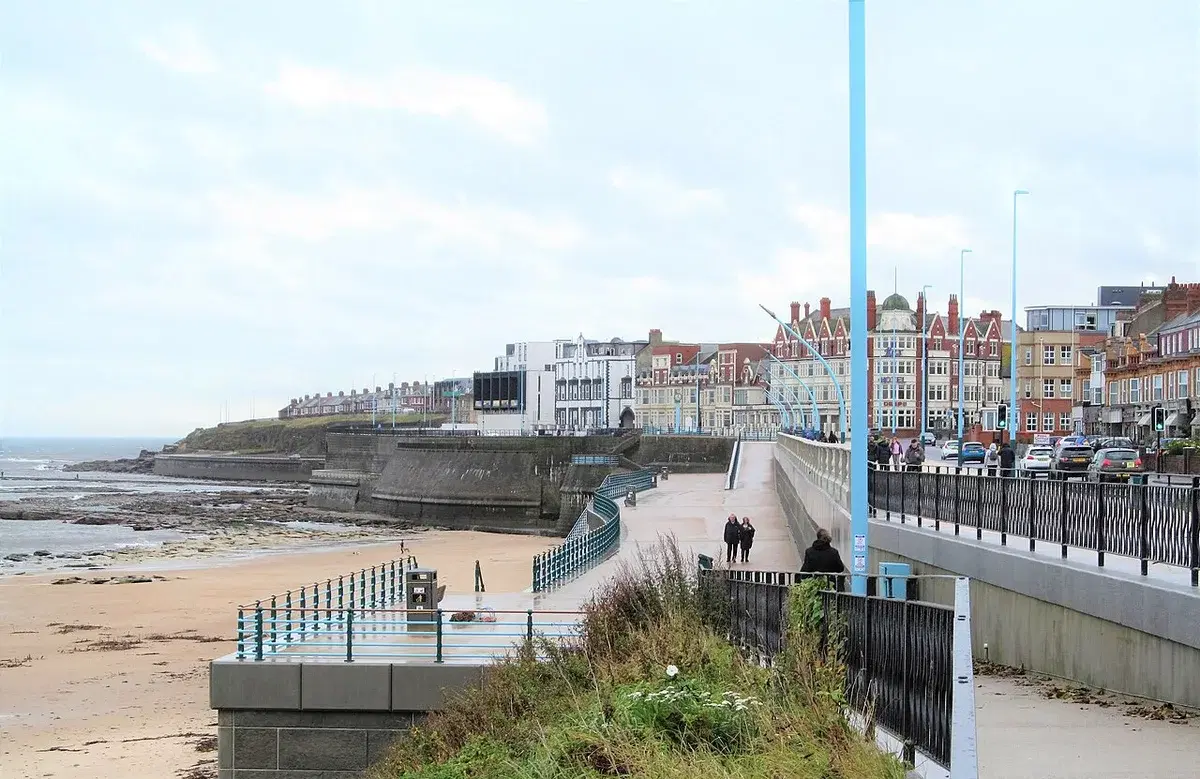
Whitley Bay: The Rise and Fall of the Seaside Resort
From a fishing village of 300 people to Tyneside's playground, through golden-age ballrooms and revolving beach chalets to boarded-up hotels -- and back again. The story of Whitley Bay.
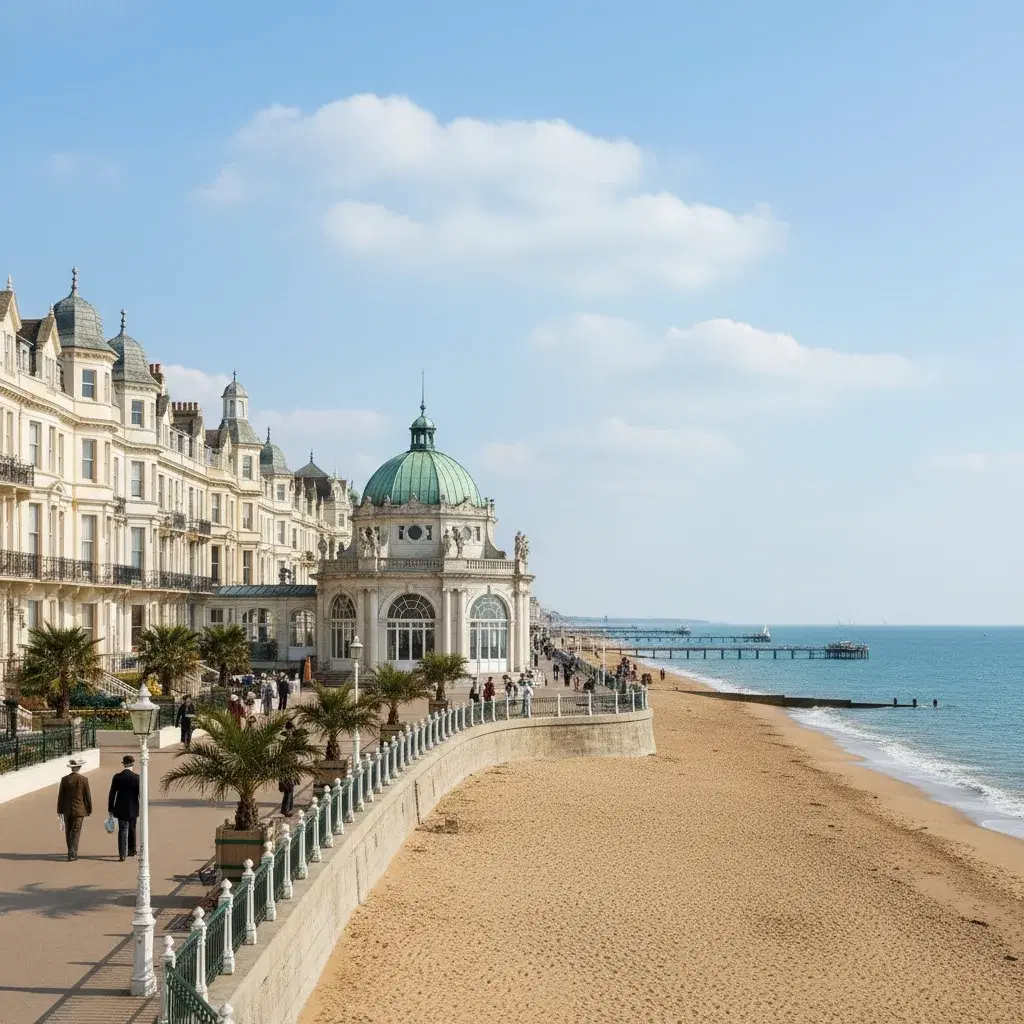
History of Whitley Bay
From a coastal village of 300 people to a Victorian seaside resort, through Spanish City's golden age to twenty-first century regeneration -- the history of Whitley Bay.
Spanish City: From Pleasure Palace to Modern Revival
The Toreadors concert party, the Empress Ballroom, the funfair, Dire Straits, and the 2018 restoration -- the full story of Whitley Bay's most iconic building.
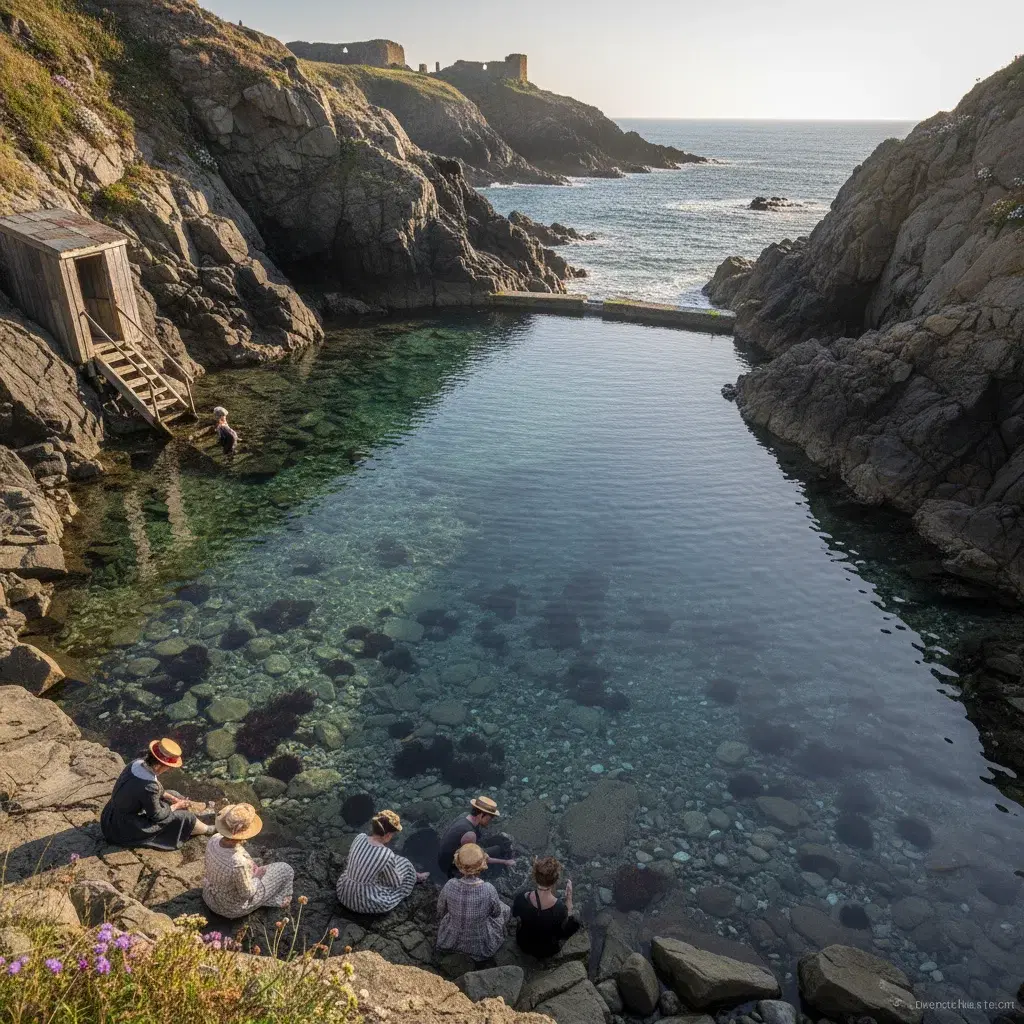
The Lost Lidos and Swimming History of Whitley Bay
Table Rocks tidal pool, the Tynemouth Outdoor Pool, sea bathing on the North Sea coast, and the Panama Swimming Club -- the swimming history of Whitley Bay.
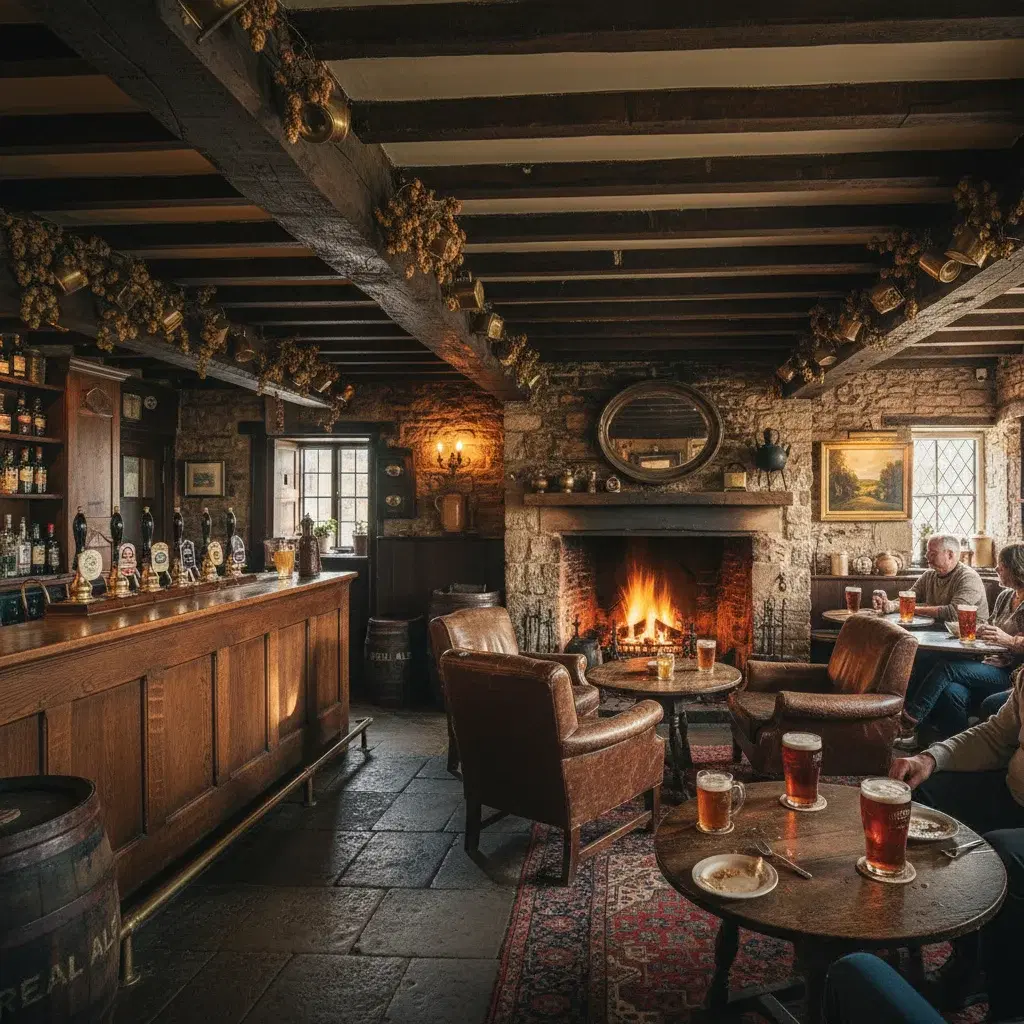
The Oldest Pubs in Whitley Bay
From a 1688 farmhouse in Monkseaton to a Victorian pub that hosted Lindisfarne, the oldest pubs in Whitley Bay.
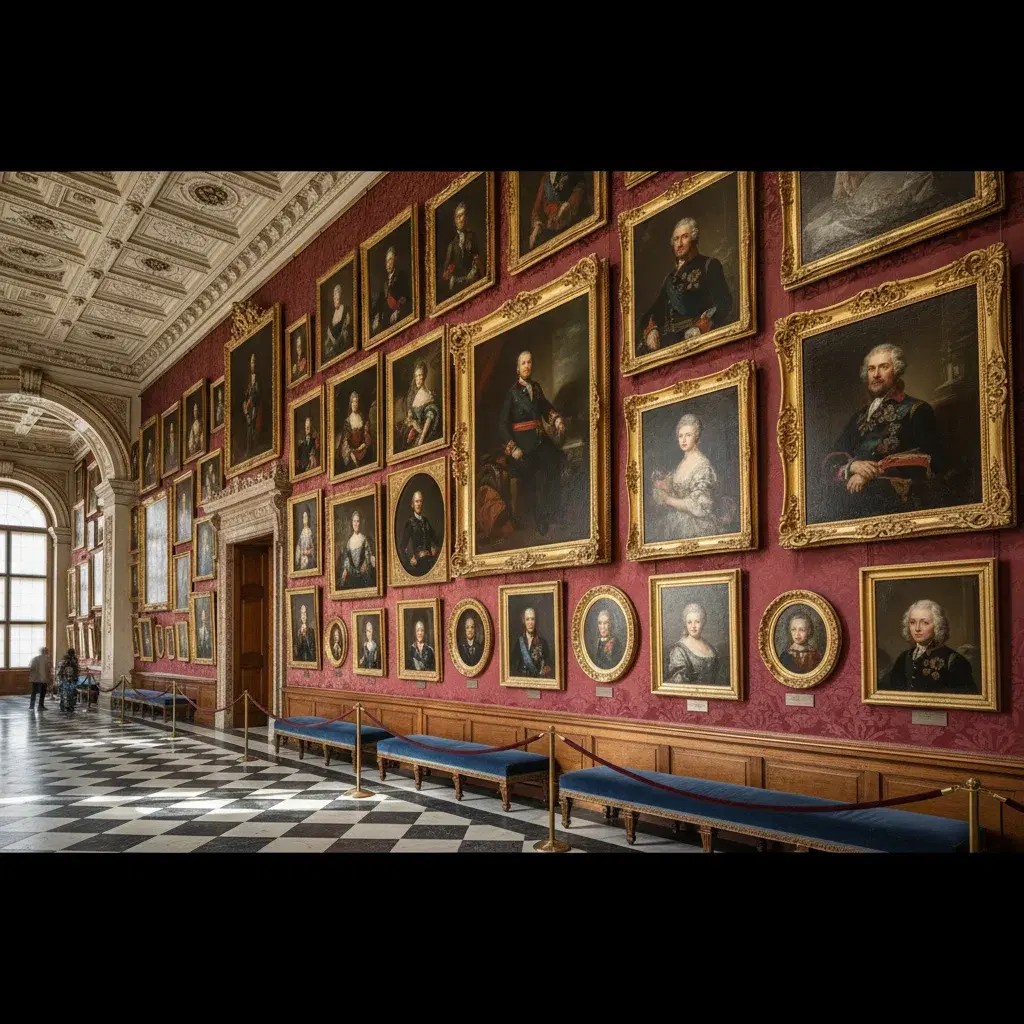
Famous People from Whitley Bay
Kate Adie, the Guinness toucan artist, and the writer behind Porridge, famous people from Whitley Bay.