St Mary's Lighthouse: Tides, Prices & Guide
137 steps to panoramic views, a tidal causeway, rock pools, and a nature reserve. Everything you need to know before visiting St Mary's Lighthouse.
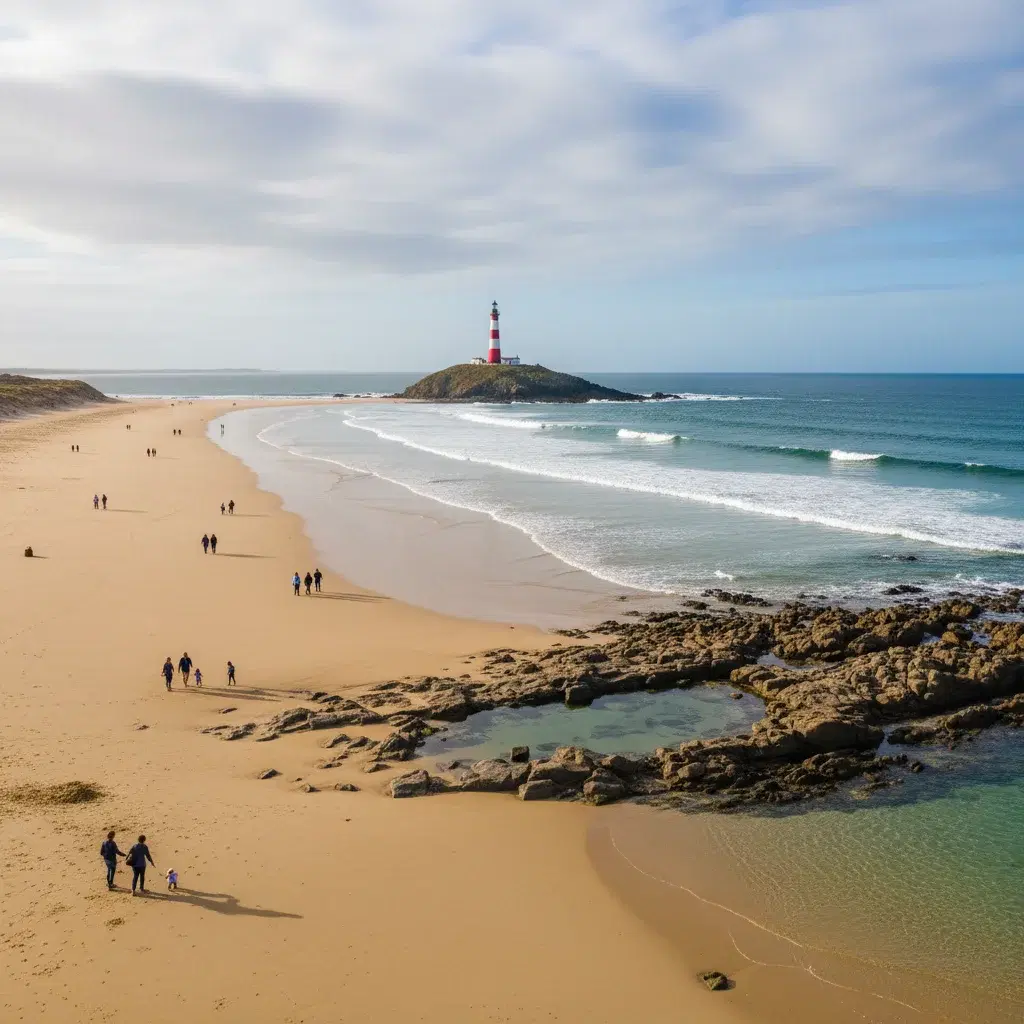
St Mary's Lighthouse is one of the most recognisable landmarks on the North East coast. Standing on its own small tidal island just north of Whitley Bay, the lighthouse and surrounding nature reserve offer rock pooling, birdwatching, panoramic coastal views, and a genuine sense of adventure -- all within a few minutes of the town centre.
Here is everything you need to know before you visit.
Getting There and the Tidal Causeway
St Mary's Island sits just offshore, connected to the mainland by a short concrete causeway. The causeway is only accessible at low tide. At high tide, it is completely submerged and impassable. This is not a minor detail -- visitors have been stranded on the island by rising tides, and the sea covers the path quickly.
Best for: Always check tide times before visiting. The causeway is impassable at high tide and the sea can rise faster than you expect. Tide tables are displayed at the causeway entrance and available on the North Tyneside Council website.
The North Tyneside Council tide tables are updated regularly and show safe crossing windows. As a rule, aim to arrive at least two hours before high tide to give yourself plenty of time on the island and a safe return.
The Lighthouse
The lighthouse was built in 1898 and decommissioned in 1984, when it was replaced by an automated light. Today it is open to visitors as a heritage attraction. The climb to the top involves 137 steps up a narrow spiral staircase -- manageable for most adults and older children, though not suitable for pushchairs or wheelchairs.
The views from the top are worth the effort. On a clear day, you can see along the Northumberland coast as far as Bamburgh and the Farne Islands to the north, and down to Tynemouth and beyond to the south. It is one of the best vantage points on the entire coastline.
St Mary's Island Nature Reserve
The island and its surrounding rock platforms form a designated Local Nature Reserve, managed by North Tyneside Council. It is a genuinely important site for wildlife, particularly birds.
Rock Pooling
The rock pools around the base of the island are among the best on the North East coast. At low tide, the pools teem with crabs, anemones, starfish, shrimps, and small fish. It is a brilliant activity for children -- bring wellies and a bucket, but leave everything where you find it.
The rock surfaces can be slippery, so wear shoes with good grip. Avoid the pools closest to the water's edge, especially if the tide is turning.
Birdwatching
St Mary's Island is a magnet for birdwatchers. The wetland area behind the lighthouse holds breeding populations of ringed plover and turnstone, while the offshore rocks attract cormorants, eider ducks, and purple sandpipers in winter. During spring and autumn migration, the island can be alive with passage migrants -- warblers, flycatchers, and occasionally rarities that draw birders from across the region.
The island is also a good spot for watching seabirds offshore, including gannets, kittiwakes, and Arctic terns in summer.
Best for: Spring and autumn are the best seasons for birdwatching, when passage migrants stop off on the island during migration.
Visitor Centre, Cafe, and Shop
The small visitor centre at the base of the lighthouse has displays on the island's natural and maritime history, including information about the lighthouse keepers who lived here. There is a cafe serving hot drinks, sandwiches, and snacks, and a gift shop with souvenirs and local interest books.
The visitor centre is open during the published opening hours -- typically daily during school holidays and weekends through the rest of the year. Check the North Tyneside Council website for current opening times and admission charges.
Practical Information
Parking
The nearest car park is Old Hartley car park (NE26 4RB), a short walk from the causeway. It has around 60 spaces and charges approximately £1 per day. On busy summer weekends it fills early, so arrive in the morning if you can.
Admission
There is a small admission charge to enter the lighthouse and climb to the top. The nature reserve and rock pools are free to access at any time the causeway is passable. Check the council website for current ticket prices.
Opening Hours
The lighthouse and visitor centre operate seasonally. During summer and school holidays, they are typically open daily from 10am to 5pm. Outside peak season, opening is usually limited to weekends. Hours can change, so check before travelling.
Accessibility
The causeway is flat but can be wet and uneven. The lighthouse climb is steep and narrow, with no lift. The visitor centre and cafe at ground level are accessible.
Best Times to Visit
- Low tide on a sunny day is the classic visit -- cross the causeway, explore the rock pools, climb the lighthouse, and return before the tide turns.
- Spring and autumn bring the best birdwatching, with migrating species stopping on the island.
- Winter offers dramatic seas and solitude, though check the causeway is passable and the visitor centre is open.
- Summer weekends are the busiest. Arrive early to secure parking at Old Hartley.
Best for: The best rock pooling is on a low spring tide -- these occur around the new and full moon each month and expose pools that are normally submerged.
Nearby
St Mary's Lighthouse is a short walk or drive from central Whitley Bay. After your visit, you could head south along the coast to Whitley Bay seafront and Spanish City, or continue north to Seaton Sluice harbour for a pub lunch. The coastal path connects it all.
Have a tip for visiting St Mary's Lighthouse? Get in touch via our contact page and we will add it to this guide.
Never miss what’s on
Join the weekly Whitley Bay.live digest — the best events, news and local tips, straight to your inbox. Free, one email a week.
What's On
Barry Steele in The Roy Orbison Story, Playhouse Whitley Bay
7:30 PM · Playhouse Whitley Bay, Marine Avenue, Whitley Bay, NE26 1LZ
10CC's Graham Gouldman: Heart Full of Songs, Playhouse Whitley Bay
7:30 PM · Playhouse Whitley Bay, Marine Avenue, Whitley Bay, NE26 1LZ
Whitley Bay v Marske United
3:00 PM · Hillheads Park, Rink Way, Whitley Bay, NE25 8HR